
A Comprehensive Guide to Mop Pad Replacement for Effective Cleaning
Introduction to Mop Pad Replacement
Maintaining a clean environment is paramount for any business, as it directly affects the health and satisfaction of employees and customers alike. One crucial yet often overlooked component of cleaning equipment is the mop pad. Regular mop pad replacement is essential for achieving optimal cleaning performance. Worn-out pads can lead to inefficient cleaning and may even damage surfaces. In this guide, we will explore the significance of mop pad maintenance and provide an overview of mop replacement parts, enabling you to make informed choices.
Understanding Mop Pad Specifications
To ensure effective cleaning, it’s important to grasp the specifications of mop pads.
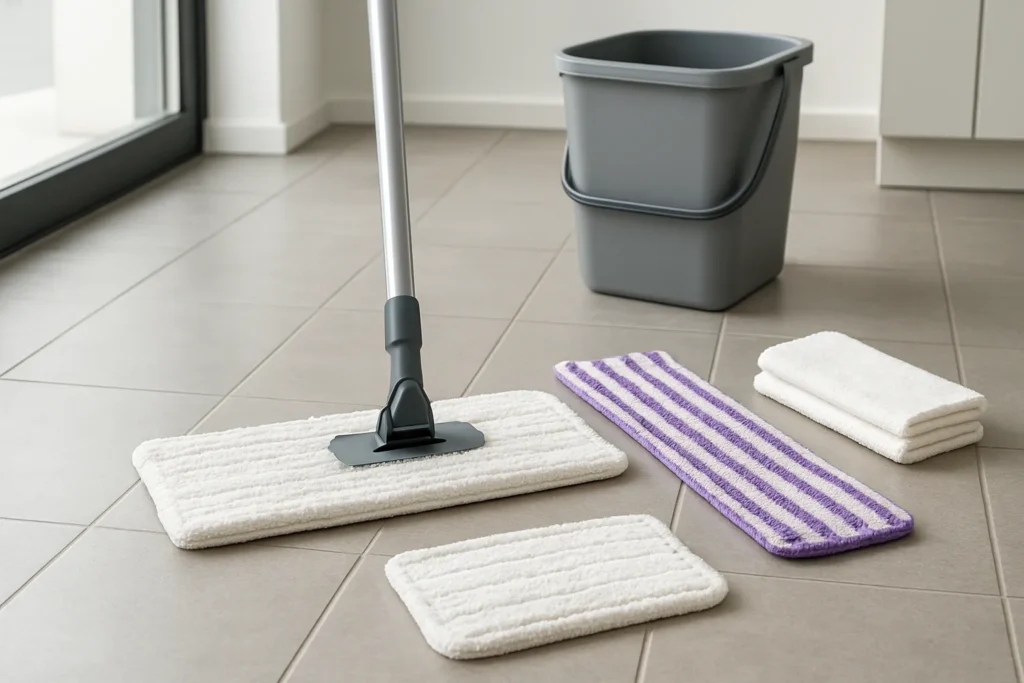
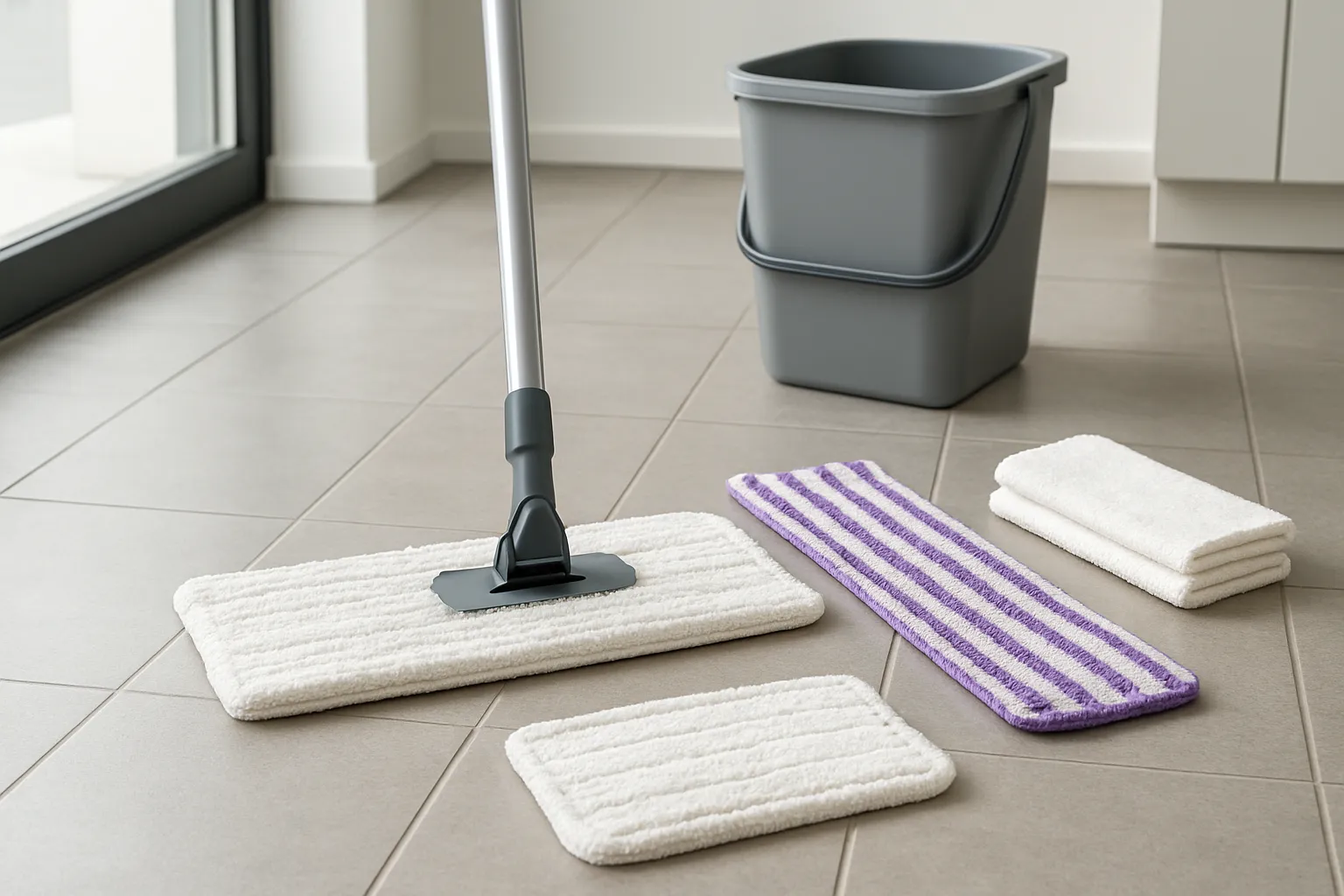
– Types of Mop Pads: Mop pads are available in various types, including microfiber, cotton, and disposable options. Microfiber pads are particularly favored for their ability to trap dirt and dust without harsh chemicals, making them suitable for diverse surfaces.
– Material Considerations: The material of mop pads significantly influences their durability and cleaning efficiency. For instance, microfiber pads are highly absorbent and can endure multiple washes, while cotton pads may necessitate more frequent replacements due to wear and tear.
– Size and Compatibility: Mop pads are offered in various sizes, so it’s crucial to select the right one for your mop model. Ensuring compatibility allows the pad to fit securely, enhancing its performance and preventing cleaning issues.
Use Cases for Mop Pad Replacement
Mop pad replacement isn’t a one-size-fits-all process; different environments require specific considerations.
– Commercial Cleaning Environments: In commercial settings like offices and retail spaces, mop pads should be replaced regularly to uphold hygiene standards and guarantee effective cleaning. High foot traffic can accelerate wear and tear.
– Industrial Settings: In industrial environments, more robust mop pads that can handle heavy-duty cleaning may be necessary. Regular replacements are vital for maintaining equipment performance and ensuring workplace safety.
– Residential Applications: Home cleaning also benefits from routine mop pad replacement. For households with pets or children, keeping mop pads in good condition helps manage dirt and allergens efficiently.
Comparing Mop Replacement Parts
When it comes to mop replacement parts, making the right choice is key to maintaining cleaning efficiency.
– Cost vs. Quality: While it may be tempting to choose cheaper options, investing in high-quality mop pads can save money over time due to their durability and effectiveness.
– Brand Comparisons: Different brands provide varying quality levels and performance. Researching and comparing brands can help identify the best fit for your cleaning needs.
– Performance Metrics: Evaluating performance metrics such as absorbency, durability, and cleaning effectiveness can guide your purchasing decisions. Look for products with proven results in real-world applications.
Sourcing Mop Replacement Parts
Knowing where to obtain mop replacement parts is crucial for maintaining a consistent supply.
– Where to Buy: Mop pads and replacement parts are available from a variety of sources, including online retailers, local cleaning supply stores, and specialty distributors.
– Evaluating Suppliers: When selecting suppliers, consider factors like reliability, product range, and customer service. A good supplier will provide quality products along with support for your cleaning needs.
– Bulk Purchasing Options: For businesses that require frequent replacements, bulk purchasing can be a cost-effective solution. Many suppliers offer discounts for bulk orders, which can significantly lower overall expenses.
Implementing Mop Pad Replacement Strategies
Establishing a systematic approach to mop pad replacement can enhance cleaning efficiency.
– Scheduling Regular Replacements: Create a replacement schedule based on usage and environment. Regularly replacing pads ensures optimal performance and cleanliness.
– Training Staff on Replacement Procedures: Proper training for cleaning staff on how to replace mop pads can lead to better maintenance practices and improved cleaning outcomes.
– Tracking Mop Pad Performance: Regularly assessing the performance of your mop pads is essential. Monitoring their condition can help determine the best replacement schedule.
Frequently Asked Questions
– How Often Should Mop Pads Be Replaced?: The frequency of replacement varies by usage, but a general guideline is to replace mop pads every 3-6 months in commercial settings or sooner if they show signs of wear.
– Signs of Worn-Out Mop Pads: Look for fraying edges, diminished absorbency, or visible dirt buildup that can’t be removed through washing. These are clear indicators that it’s time for a replacement.
– Tips for Maintaining Mop Efficiency: Regularly wash mop pads according to the manufacturer’s instructions and store them in a clean, dry place to extend their lifespan and maintain cleaning effectiveness.
Conclusion
Mop pad replacement is a vital aspect of keeping a clean and hygienic environment in both commercial and residential settings. By understanding the specifications, sourcing quality parts, and implementing effective replacement strategies, you can significantly enhance cleaning performance. Prioritizing mop pad maintenance not only ensures efficient cleaning processes but also contributes to a healthier workspace. For more insights on cleaning products, visit our blog or check out this industry reference for further information.